




Growing lumps under the skin are usually benign. Common types include lipomas (fatty lumps), sebaceous cysts, dermatofibromas, and ganglion cysts. See a doctor if lumps grow rapidly, exceed 5cm, cause pain, or change appearance.
- Dr Sharon Crichlow
- Reading Time: 10 Mins
Bumps and lumps under the skin are extremely common. They might appear on your neck, scalp, arms, or almost anywhere on your body. While most are harmless, it’s important to know what you’re dealing with and when medical attention might be needed.
This guide explores the most common types of slow-growing lumps, their causes, and what warrants a trip to the doctor.
Key Takeaways
- Most under-skin lumps are benign, with lipomas and sebaceous cysts being the most common, but rapid growth or changes warrant medical evaluation.
- Monitor lumps for concerning signs: rapid growth, size over 5cm, pain, hardness, or skin changes like redness or ulceration.
- Professional diagnosis often involves physical examination and imaging; never attempt to drain or remove lumps at home, as this risks infection and incomplete removal.
Table of Contents
What Causes Lumps to Develop Under the Skin?
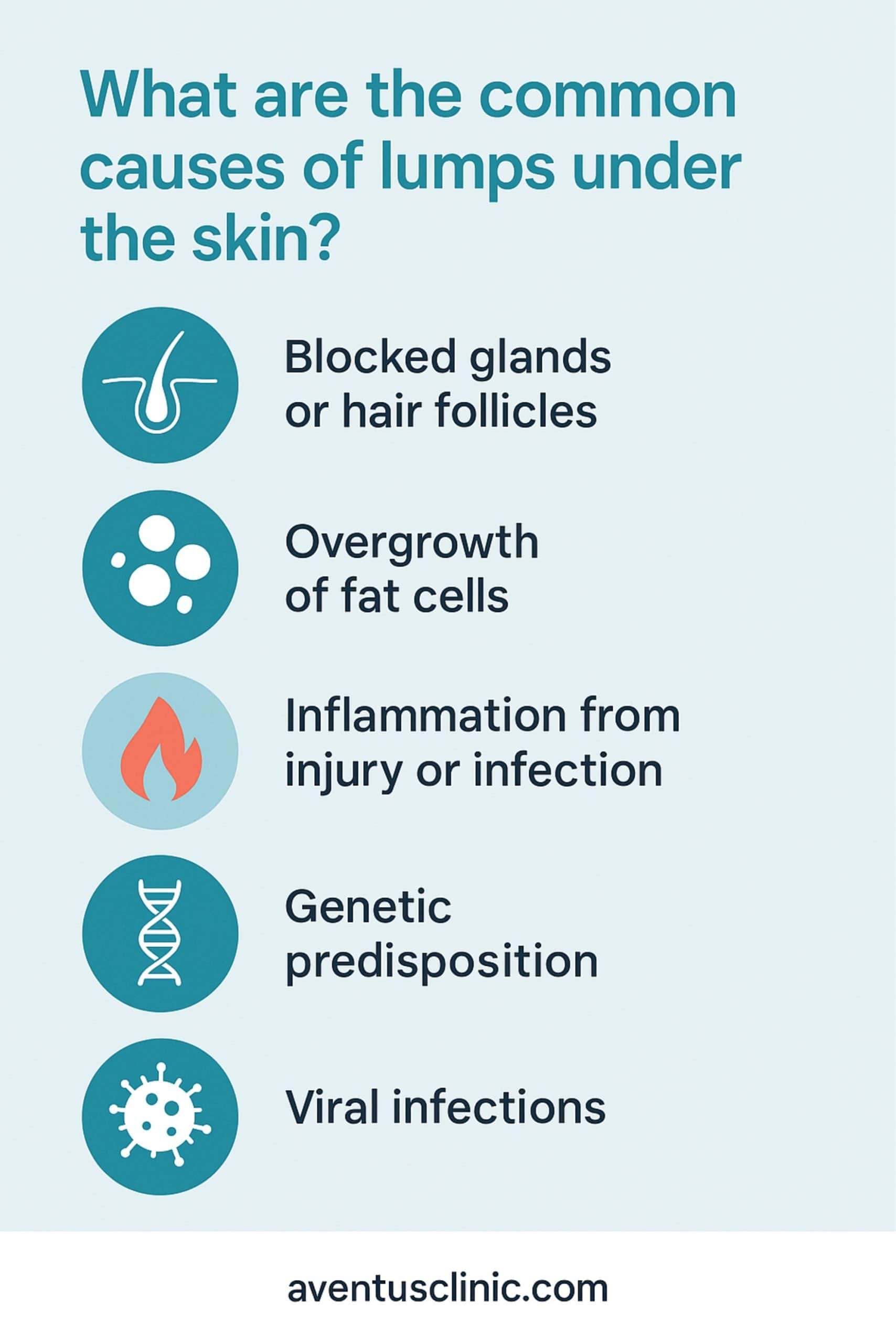
Lumps develop beneath the skin for various reasons. Some form when skin cells multiply abnormally or when substances like oils or fluids become trapped. Others result from inflammation or infection.
According to a study from the University of Missouri, most subcutaneous lumps are benign. However, understanding their origin helps distinguish between harmless growths and those requiring medical attention.
Common Types of Lumps Under the Skin
Not all lumps are the same. Each type has distinctive characteristics that can help identify what you might be dealing with.
Lipomas
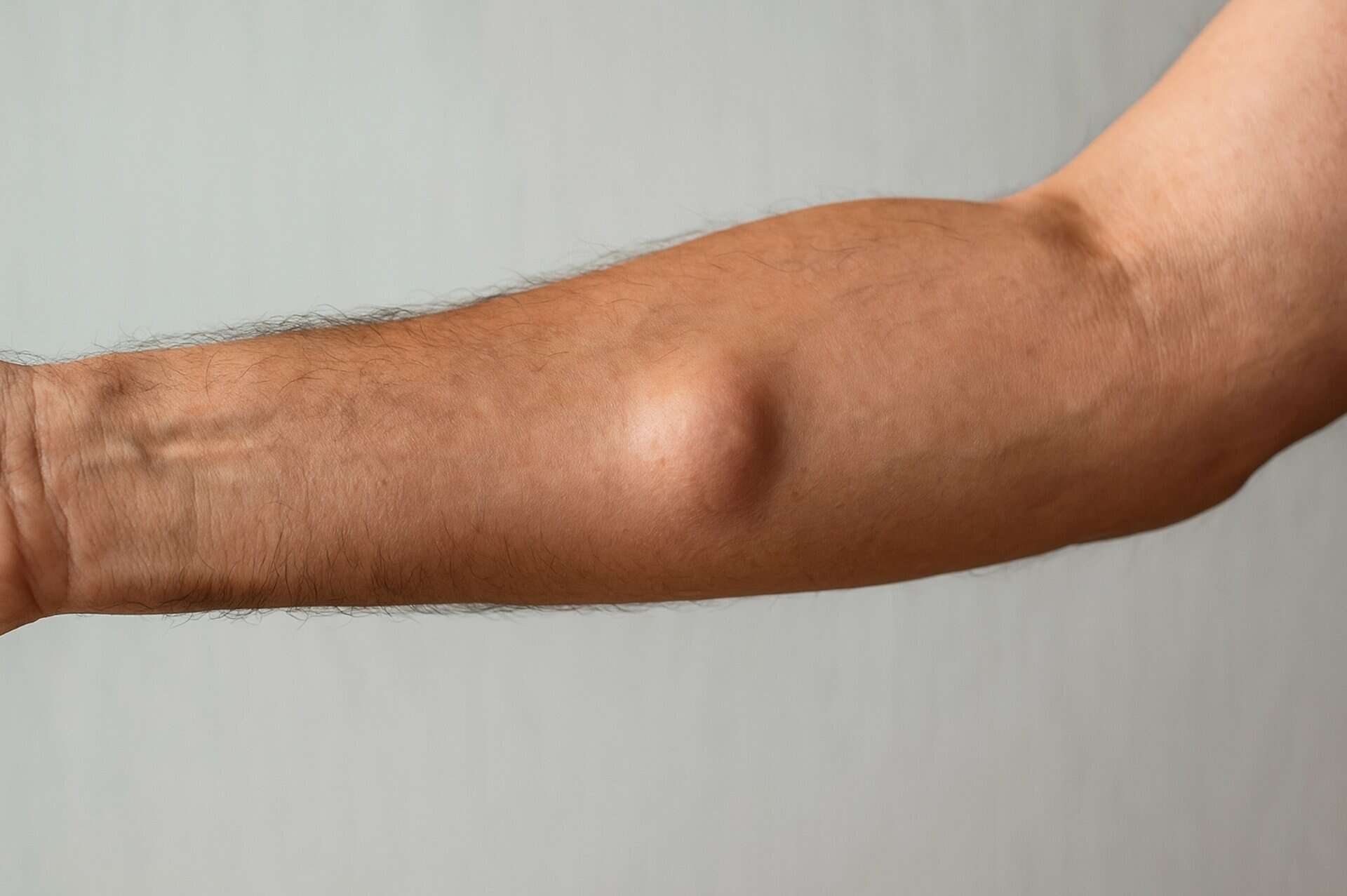
Lipomas are soft, movable fatty lumps that grow slowly under the skin. They feel doughy to touch and can range from pea-sized to several centimetres in diameter.
An overview by StatPearls describes lipomas as the most common mesenchymal tumours, typically presenting as slow-growing, painless masses. They most frequently appear on the back, shoulders, neck, and arms.
These benign growths rarely cause discomfort unless they press on nearby nerves. Most lipomas don’t require treatment unless they become bothersome or unsightly.
Epidermoid/Sebaceous Cysts
These common lumps contain a paste-like substance made of keratin. They often appear on the face, neck, and trunk as smooth, round bumps with a central opening (punctum).
Sebaceous cysts develop when the duct of a sebaceous gland becomes blocked. They grow slowly and can sometimes become infected, causing pain, redness, and swelling.
Unlike lipomas, these cysts may occasionally drain a foul-smelling cheese-like substance. Professional cyst removal treatment is recommended rather than attempting to drain them at home.
Fibromas/Dermatofibromas
Dermatofibromas are firm, raised bumps that typically appear on the legs but can develop anywhere. They range from light brown to purple in colour and may be slightly tender.
Research from the University of Queensland Dermatology Research Centre suggests dermatofibromas often result from minor trauma or insect bites. They’re more common in women and typically remain small.
When pinched, dermatofibromas often dimple inward, a distinguishing characteristic that sets them apart from other lumps.
Ganglion Cysts
Ganglion cysts are fluid-filled lumps that develop along tendons or joints, particularly on the wrists, hands, and feet. They vary in size and may fluctuate over time.
These cysts contain a thick, jelly-like fluid and may cause discomfort if they press on nearby nerves. Activity often triggers pain in these cysts.
For persistent or painful ganglion cysts, ganglion cyst removal can provide relief and prevent recurrence.
Enlarged Lymph Nodes
Lymph nodes are small, bean-shaped structures that help fight infection. When enlarged, they appear as firm lumps under the skin, commonly in the neck, armpits, and groin.
A 2024 Swiss Medical Weekly article notes that lymph nodes larger than 5mm (epitrochlear nodes) should be considered abnormal. Persistent lymph node enlargement warrants medical evaluation.
Unlike other lumps, enlarged lymph nodes often result from infection and may feel tender. They typically shrink once the underlying condition resolves.
| Lump Type | Texture | Common Locations | Size Range | Pain |
|---|---|---|---|---|
| Lipoma | Soft, doughy, mobile | Neck, shoulders, back, arms, thighs | 2–10cm | Rarely painful |
| Epidermoid Cyst | Firm with visible opening | Face, neck, back, scalp | 0.5–5cm | Painful if infected |
| Dermatofibroma | Firm, may dimple when pinched | Legs, arms, upper back | <1cm | Sometimes itchy |
| Ganglion Cyst | Firm but with some give | Wrists, hands, feet, ankles | Variable | May cause pain |
| Enlarged Lymph Node | Firm, rubbery | Neck, armpits, groin | >5mm is abnormal | Often tender |
How to Identify a Growing Lump at Home
Monitoring a lump at home can provide valuable information for your doctor. Here’s a practical approach:
- Measure the lump with a ruler and record its size
- Note the texture, colour, and any skin changes
- Track whether it’s painful, when the pain occurs, and what makes it worse
- Take clear photos over time to document any changes
- Keep a log of when you first noticed it and how it has changed
Remember that home monitoring should complement, not replace, professional medical advice.
What Makes You More Likely to Develop These Lumps?
Several factors can increase your chances of developing subcutaneous lumps.
- Family History and Genetic Factors: If your close relatives have had lipomas or certain cyst types, you may be more likely to develop them. Some genetic conditions, like Gardner’s syndrome or familial lipomatosis, can cause multiple lipomas.
- Age-Related Factors: Lipomas and cysts become more common with age, particularly after 40. This happens as cell growth regulation naturally changes over time.
- Skin Characteristics: People with oilier skin tend to develop sebaceous cysts more frequently. Those with a history of acne may also have a higher risk.
- Hormonal Influences: Hormonal fluctuations during puberty, pregnancy, or menopause can trigger the development of certain lumps. Testosterone and oestrogen can influence sebaceous gland activity.
- Past Trauma or Injuries: Research from the University of Queensland indicates that dermatofibromas may result from trauma or insect bites. Some lipomas appear after blunt injury to an area.
When Should You Get a Lump Checked by a Doctor?
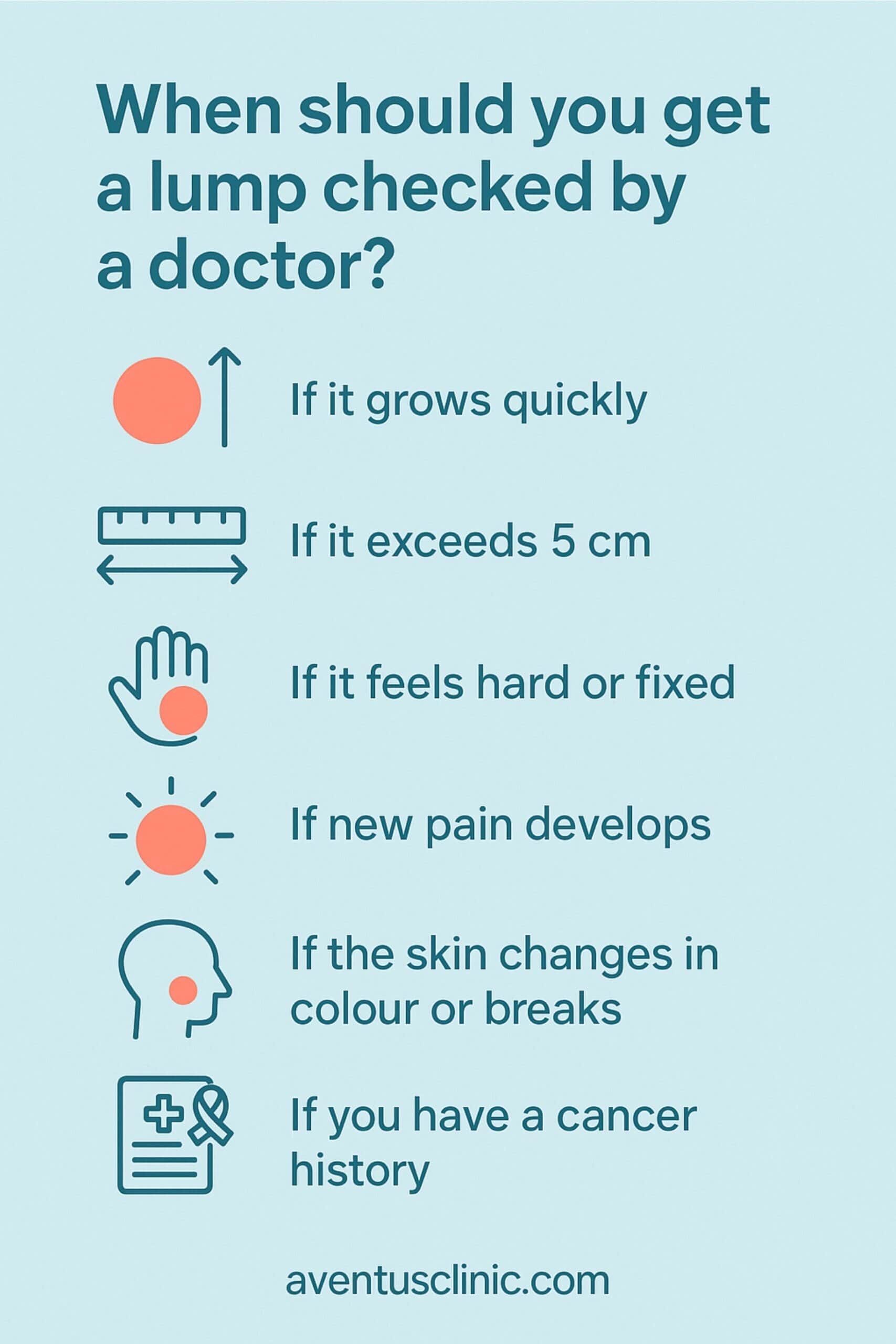
While most lumps are benign, certain signs warrant prompt medical attention. Research from the University of Missouri indicates that rapid growth, large size, and deep location raise suspicion for malignancy.
A lump that grows quickly over weeks rather than months should be evaluated. Similarly, any lump larger than 5cm deserves professional assessment, as a 2020 study found that 44.4% of malignant cases measured under 5cm.
Pain that develops in a previously painless lump may indicate infection or other concerns. Lumps that feel hard or fixed to surrounding tissues should be checked promptly.
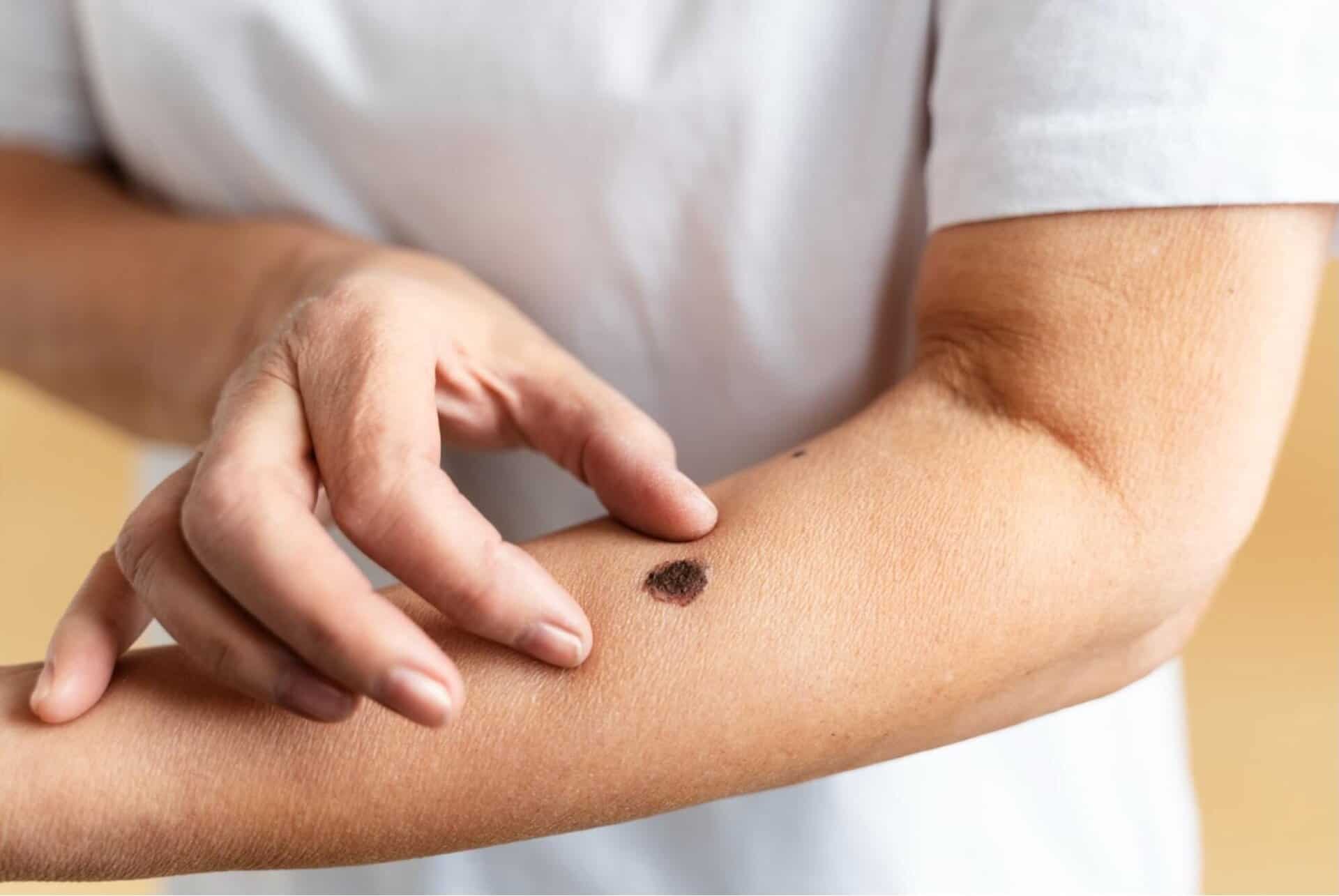
Skin changes over the lump, such as redness, discolouration, or ulceration, are warning signs. If you have a history of cancer or a strong family history of malignancy, even seemingly minor lumps warrant evaluation by a dermatologist.
How Doctors Diagnose Lumps Under the Skin
Diagnosis typically begins with a thorough physical examination. Your doctor will assess the lump’s size, texture, mobility, and other characteristics.
Imaging tests often follow. Ultrasound commonly serves as the first-line imaging technique, offering detailed information about the lump’s composition. For deeper or complex lumps, MRI or CT scans may be necessary.
In some cases, a biopsy may be recommended. This involves removing a small sample of tissue for laboratory examination. Based on these findings, your doctor can determine the appropriate treatment approach.
How Are Lipomas, Cysts, and Other Lumps Treated?
Treatment depends on the type of lump, its location, size, and whether it causes symptoms. Many benign lumps require no treatment if they don’t cause problems.
- For bothersome lipomas, surgical removal is the definitive treatment. This procedure is typically straightforward and is performed under local anaesthesia. For those seeking treatment, lipoma cyst removal offers a permanent solution.
- Sebaceous cysts may be removed completely through excision, which prevents recurrence. Infected cysts might require antibiotics before removal.
- Ganglion cysts sometimes disappear on their own. When treatment is necessary, options include aspiration (draining the fluid) or surgical removal.
- Enlarged lymph nodes typically shrink once the underlying cause is addressed. If they persist, further evaluation may be needed to rule out more serious conditions.
Final Note
If you’ve noticed a lump that concerns you, don’t wait to get it checked. We offer free online assessments to help determine the nature of your skin concern and recommend appropriate treatment options. Get your free assessment today for expert advice and peace of mind.
FAQs
How can I tell if a lump might be cancer?
Most lumps aren’t cancer. However, rapid growth, hardness, immobility, pain without injury, and skin changes are warning signs. Cancer risk increases with age, previous cancer history, and certain genetic conditions. When in doubt, consult a doctor promptly.
Do lipomas or cysts ever go away on their own?
Lipomas rarely disappear without treatment. They typically remain stable or grow slowly. Some cysts may rupture and seem to resolve temporarily, but often reform unless the sac is completely removed. Ganglion cysts occasionally disappear spontaneously.
Should I pop a cyst myself?
No. Attempting to pop or drain a cyst at home risks infection, scarring, and incomplete removal. The cyst wall must be completely removed to prevent recurrence. Professional medical treatment ensures proper technique and sterile conditions.
Why does my lump hurt when I press it?
Pain when pressing a lump may indicate inflammation or infection. It could also mean the lump is pressing against nerves or other sensitive structures. Painful lumps warrant medical evaluation, especially if the pain develops suddenly or worsens.
Can stress cause lumps under the skin?
Stress doesn’t directly cause most skin lumps. However, stress can weaken the immune system, potentially contributing to infections that cause certain lumps. Stress may also lead to behaviours like picking at skin, which can trigger cyst formation.