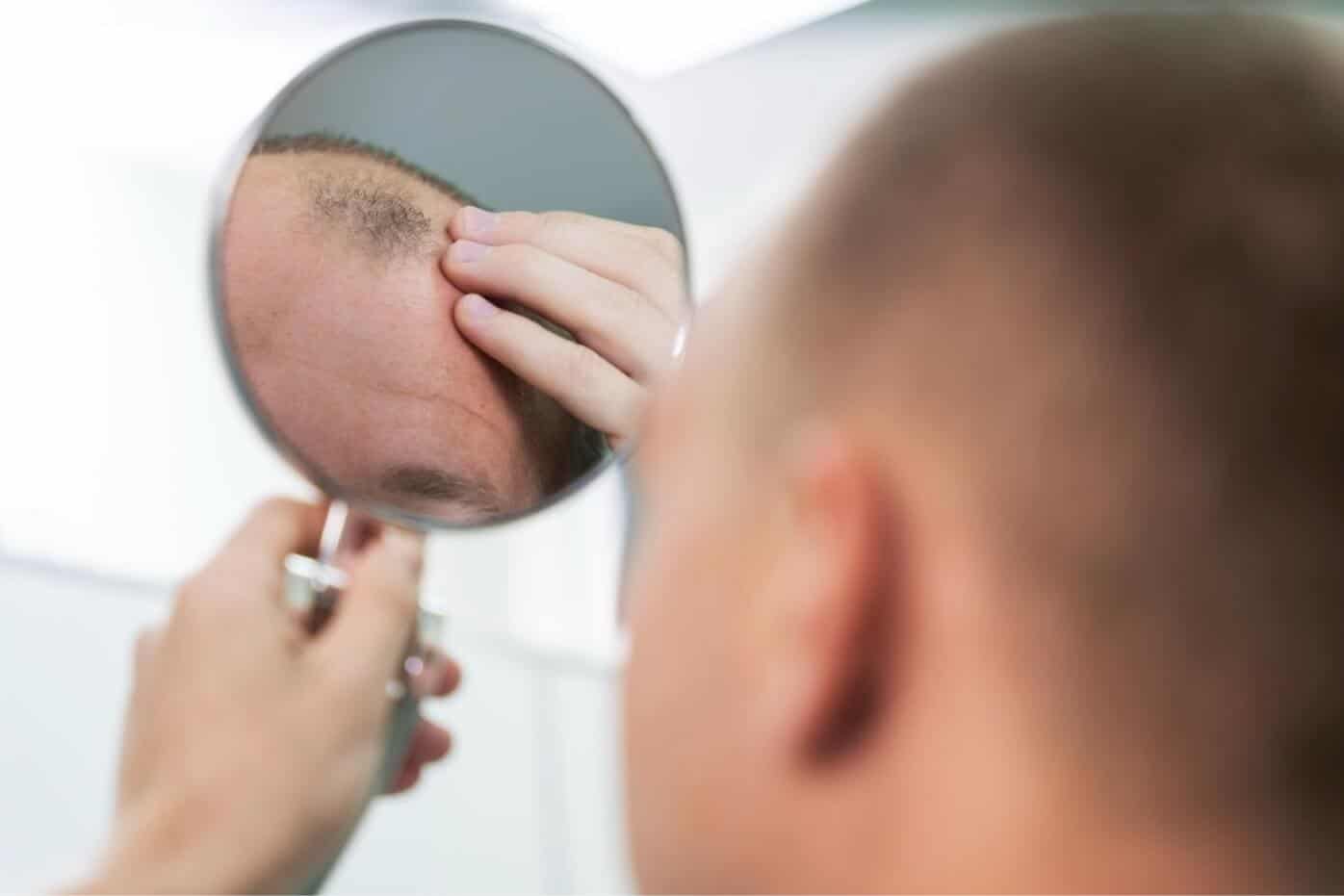





Patchy hair loss creates distinct bald spots caused by various conditions including autoimmune disorders, fungal infections, or nutritional deficiencies. Most cases can be treated effectively once properly diagnosed by a healthcare professional.
- Dr Suhail Alam
- Reading Time: 10 Mins
Finding bald patches on your scalp can be distressing. That sudden discovery of smooth, hairless areas where hair once grew creates immediate concern. Patchy hair loss affects millions worldwide and stems from various causes, some temporary, others persistent. While the symptom appears similar, the underlying reasons differ greatly, influencing both treatment options and recovery time.
Key Takeaways
- Patchy hair loss has multiple causes including autoimmune conditions (alopecia areata), fungal infections (tinea capitis), and behavioral disorders (trichotillomania).
- Proper diagnosis is crucial as treatment varies significantly depending on the underlying cause, with many conditions being reversible with appropriate intervention.
- The appearance of bald patches provides important diagnostic clues – look for scaling, inflammation, broken hairs, or perfectly smooth skin to help identify the specific condition.
Table of Contents
What Is Patchy Hair Loss?
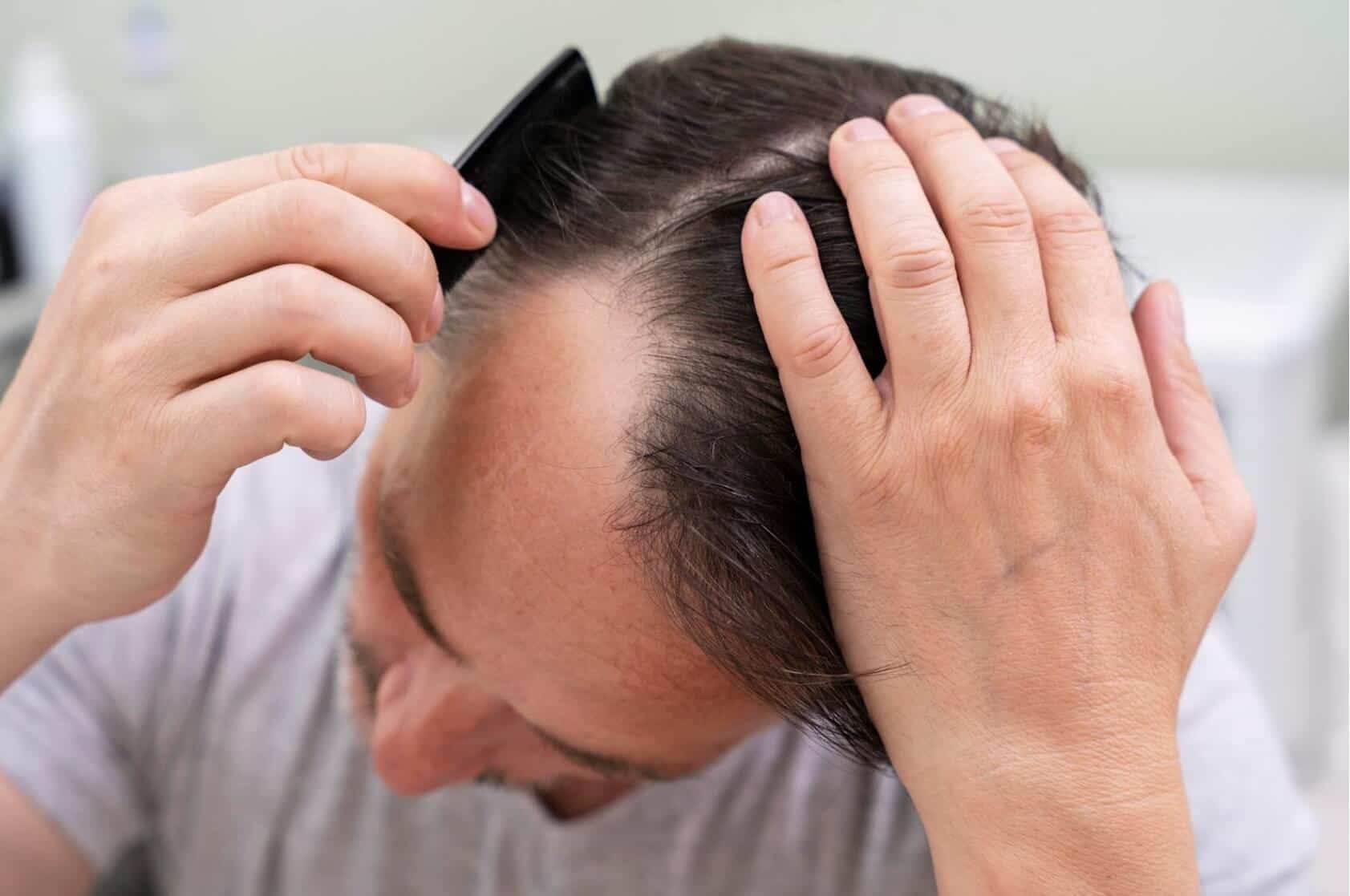
Patchy hair loss refers to localised areas where hair has fallen out, creating distinct bald spots on the scalp or other body areas. Unlike diffuse thinning that affects the entire scalp, patchy hair loss creates clearly defined areas lacking hair.
These patches may be round or irregular in shape, ranging from coin-sized to larger areas spanning several centimetres. The borders may be smooth or inflamed, and the skin within the patch might appear normal, red, scaly, or contain broken hair shafts.
The pattern and appearance of these patches often provide valuable clues about the underlying condition causing the hair loss.
What Causes Patchy Hair Loss?
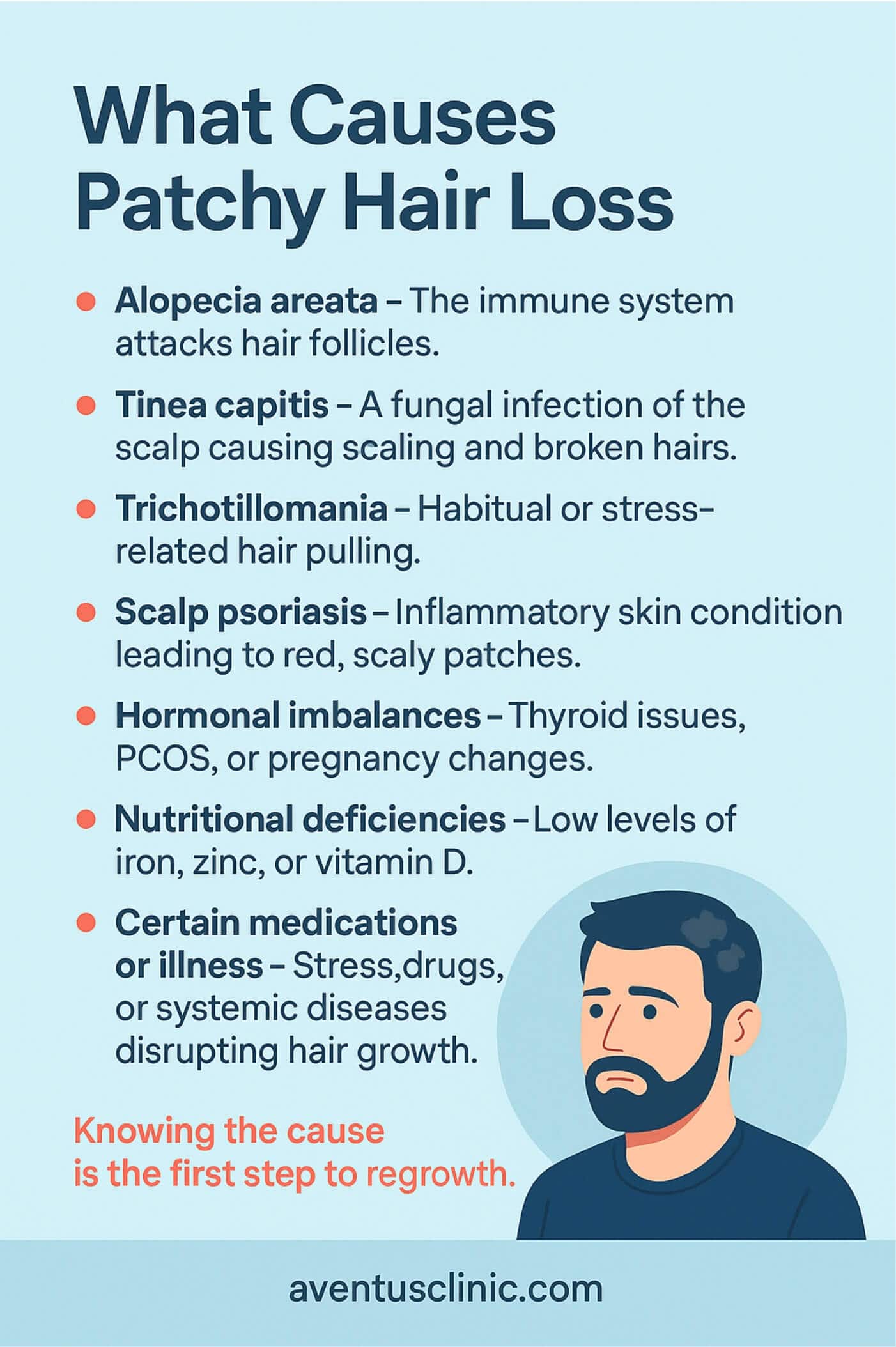
Patchy hair loss can result from various conditions affecting the hair follicles and surrounding tissue. Each cause has distinctive characteristics and requires a specific treatment approach.
1. Alopecia Areata (Autoimmune Hair Loss)
Alopecia areata occurs when your immune system mistakenly attacks hair follicles. This autoimmune condition typically creates smooth, round patches of complete hair loss without scalp inflammation or scaling.
Research shows varying recovery rates. A 2017 study found spontaneous remission in approximately 80% of patients with small, circumscribed patches within one year. However, a 2023 review revealed only 9% of adults with limited patchy alopecia areata achieved total regrowth at 12 weeks.
2. Tinea Capitis (Scalp Ringworm)
Despite its name, tinea capitis isn’t caused by a worm but by a fungal infection of the scalp. It creates scaly, often circular patches with broken hair shafts and sometimes inflammation.
Children are particularly susceptible to this condition. A 2019 study of 65 children with tinea capitis found that most affected children were between 3-14 years old, with 74.4% living in poor hygienic conditions. Hair loss was present in all cases examined.
Unlike alopecia areata, tinea capitis patches often show scaling, redness, and sometimes pustules. The patches may be itchy or painful, and lymph nodes in the neck might be enlarged.
3. Trichotillomania (Hair-Pulling Disorder)
Trichotillomania is a behavioural disorder characterised by the compulsive urge to pull out one’s hair. The resulting hair loss patches typically have irregular shapes rather than the smooth, round patches seen in alopecia areata.
These patches often contain hairs of varying lengths, as not all hairs are pulled with the same force or frequency. The skin usually appears normal without inflammation or scaling.
This condition frequently affects children and young adults and may be triggered by stress, anxiety, or other psychological factors.
4. Scalp Psoriasis
Scalp psoriasis is a common skin condition that causes red, thick, silvery-scaled patches on the scalp. When severe, it can lead to temporary hair loss in the affected areas.
Unlike other causes of patchy hair loss, psoriasis patches are clearly inflamed and covered with thick scales. They may extend beyond the hairline onto the forehead, neck, or behind the ears.
The hair loss is usually temporary, with regrowth occurring once the psoriasis is effectively treated.
5. Telogen Effluvium
While telogen effluvium typically causes diffuse thinning, it can sometimes manifest as patchy hair loss. This condition occurs when stress, illness, or hormonal changes force a large number of hair follicles into the resting (telogen) phase.
The hair loss usually begins 2-3 months after the triggering event and often resolves on its own once the underlying cause is addressed.
6. Nutritional Deficiencies
Nutritional imbalances can contribute to patchy hair loss, with vitamin D deficiency showing a notable connection to alopecia areata.
A 2022 retrospective case-control study found that patients with alopecia areata had significantly lower vitamin D levels compared to patients with other types of hair loss.
This finding was reinforced by a 2024 meta-analysis in Frontiers in Nutrition, which revealed that approximately 52% of alopecia areata patients had vitamin D deficiency. The study found that individuals with alopecia areata were nearly three times more likely to have vitamin D deficiency than control subjects.
Other nutritional factors linked to hair loss include iron, zinc, and protein deficiencies.
7. Hormonal Imbalances
Hormonal fluctuations can trigger patchy hair loss in some individuals. Conditions like polycystic ovary syndrome (PCOS), thyroid disorders, and pregnancy-related hormonal changes may all contribute to localised hair thinning or loss.
Hormonal hair loss often has a pattern that differs from autoimmune or infectious causes, with patches that may be less defined and gradually transition into areas of normal hair density.
8. Less Common Medical Causes
Several less common conditions can cause patchy hair loss, including:
- Lichen planopilaris: An inflammatory condition that causes patchy, progressive hair loss with scarring
- Discoid lupus erythematosus: An autoimmune condition causing scaling, redness, and scarring hair loss
- Secondary syphilis: A sexually transmitted infection that can cause patchy hair loss in its secondary stage
- Frontal fibrosing alopecia: A form of scarring hair loss that primarily affects the frontal hairline
How to Tell What’s Causing Your Patchy Hair Loss
Identifying the specific cause of patchy hair loss involves examining several key characteristics:
| Characteristic | Alopecia Areata | Tinea Capitis | Trichotillomania | Scalp Psoriasis |
|---|---|---|---|---|
| Patch shape | Round, smooth | Often circular | Irregular | Variable |
| Scalp appearance | Normal | Scaly, inflamed | Normal | Red with silvery scales |
| Hair in patch | None, exclamation mark hairs at borders | Broken shafts | Varied lengths | May be present |
| Associated symptoms | None, occasional tingling | Itching, pain | None | Itching, burning |
| Onset | Sudden | Gradual | Gradual | Gradual |
| Common age group | Any age | Children | Children and young adults | Adults |
Additional clues include:
- Recent illness or stress (suggests telogen effluvium)
- Dietary changes or restrictions (suggests nutritional deficiencies)
- Hormonal changes, including pregnancy or menopause
- Family history of similar hair loss (suggests genetic predisposition)
Patchy Hair Loss in Children
Children experience patchy hair loss for reasons that sometimes differ from adults. A 2018 review in the Australian Journal of General Practice identified the most common causes of patchy hair loss in children as:
- Tinea capitis (most common infectious cause)
- Alopecia areata
- Traction alopecia and trichotillomania
- Telogen effluvium
Children often respond differently to treatments than adults, and their prognosis may vary. For instance, children with alopecia areata often have a better chance of spontaneous recovery than adults with the same condition.
Parents should monitor for additional symptoms such as itching, scaling, or changes in behaviour that might indicate the child is pulling their hair.
How to Treat Patchy Hair Loss
Treatment depends entirely on the underlying cause, highlighting the importance of proper diagnosis.
Medical Treatments
For alopecia areata, doctors typically recommend topical or injected corticosteroids to suppress the immune response. Topical immunotherapy may be used to redirect immune activity. Recent advances include JAK inhibitors for severe cases, with Baricitinib showing promising results in clinical trials. Minoxidil is often suggested to stimulate hair growth.
Tinea capitis requires oral antifungal medications, usually prescribed for 6-12 weeks. Medicated antifungal shampoos complement this treatment. Close contacts may need treatment to prevent reinfection.
For trichotillomania, cognitive behavioral therapy addresses hair-pulling behaviors. Habit reversal training proves effective for many patients. Some cases benefit from medication for underlying anxiety or depression.
Lifestyle and Home Remedies
Alongside medical treatments, several lifestyle approaches can support hair regrowth:
- Addressing nutritional deficiencies through diet or supplements
- Stress management techniques for stress-related hair loss
- Gentle hair care practices to prevent further damage
- Scalp massage to stimulate circulation
For mild cases of some conditions, home remedies may be sufficient. However, more severe or persistent cases typically require professional medical intervention.
How Long Does Hair Regrowth Take After Patchy Hair Loss?
Recovery timelines vary significantly depending on the cause and individual factors:
Alopecia areata: The 2023 PMC review found only 9% achieved total regrowth at 12 weeks, though 46.2% achieved at least 50% regrowth. Small patches often recover faster than extensive loss.
Tinea capitis: With proper treatment, new hair growth typically begins within 4-8 weeks, with complete regrowth in 3-6 months.
Telogen effluvium: Natural recovery usually begins 3-6 months after the triggering event is resolved, with complete regrowth often taking 6-12 months.
Nutritional deficiencies: Once deficiencies are corrected, hair typically begins regrowing within 3-6 months.
Patience and consistency with treatment are crucial, as hair grows only about 1.25 centimetres per month. Visible improvements typically take several months to become noticeable.
When to See a Doctor About Patchy Hair Loss
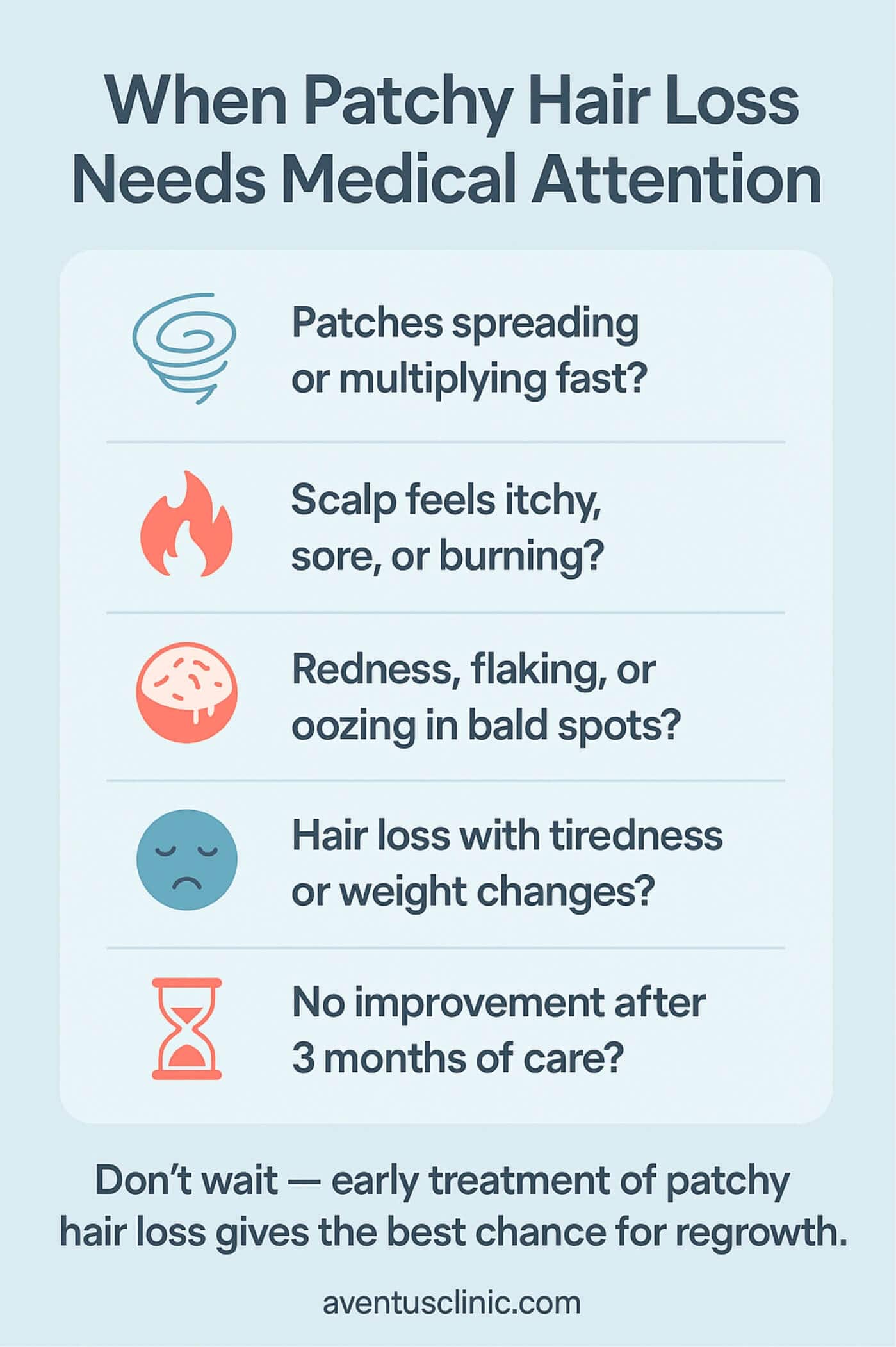
While some patchy hair loss resolves spontaneously, certain signs indicate the need for professional evaluation.
Our hair loss treatments are tailored to each individual’s specific condition. We consider factors like cause, extent, and personal history to create the most effective approach.
How to Prevent Patchy Hair Loss
While not all causes of patchy hair loss are preventable, you can reduce your risk by:
Maintaining a nutrient-dense diet rich in proteins, vitamins, and minerals essential for hair growth. Consider supplements if blood tests reveal deficiencies.
Managing stress through regular exercise, adequate sleep, and relaxation techniques helps prevent stress-triggered hair loss conditions.
Practicing gentle hair care by avoiding tight hairstyles, minimising heat styling, and using appropriate hair products for your scalp type reduces physical damage to follicles.
Regular scalp checks can help identify potential issues early. Look for any changes in your scalp’s appearance or texture during your hair care routine.
Final Thoughts
Patchy hair loss, while distressing, is often treatable when properly diagnosed. The key is accurate diagnosis followed by appropriate, consistent treatment. If you’re experiencing concerning unexplained hair loss, don’t hesitate to seek professional advice. We offer free hair assessment consultations to evaluate your condition and create a personalised treatment plan. Book your free assessment today and take the first step toward healthier hair and renewed confidence.
FAQs
Can patchy hair loss be reversed?
Most cases of patchy hair loss can be reversed, especially when treated early. Alopecia areata often resolves spontaneously, while infectious causes like tinea capitis respond well to appropriate medications.
What distinguishes different types of patchy hair loss?
The appearance of the patches, presence of scaling or inflammation, and accompanying symptoms help distinguish between causes. Alopecia areata produces smooth, round patches, while tinea capitis causes scaly, sometimes inflamed patches.
Is patchy hair loss hereditary?
Some forms like alopecia areata have a genetic component, with about 20% of patients having a family history of the condition. However, most cases of patchy hair loss are not directly inherited.
Can stress alone cause bald patches?
Severe stress can trigger alopecia areata in susceptible individuals and is the primary cause of trichotillomania. Stress can also lead to telogen effluvium, though this typically causes diffuse thinning rather than distinct patches.
What’s the connection between vitamin D and hair loss?
Recent research shows a significant link between vitamin D deficiency and alopecia areata. A 2024 meta-analysis found that AA patients were nearly three times more likely to have vitamin D deficiency than controls, suggesting vitamin D supplementation might benefit some patients.